


From the Earth Summit, June 1992 in Rio de Janeiro, Brazil where more than 178 countries adopted the UN Agenda 21, a comprehensive plan of action to build a global partnership for sustainable development to improve human lives and protect the environment to the year 2015 where the UN embraced multilateralism and international policy shaping and to date where the UN’s Department for Economic and Social Affairs (UNDESA) has provided substantive support for member states to actualize the SDG thematic issues, the motor industry has not been left behind!
Allow me to single out the motor industry-related thematic issues such as clean energy, climate, urbanization, transport, and science & technology that have influenced the development and re-engineering of automobiles. The UN member states have committed resources and legislation to make the vision 2030 a reality by embracing broad ownership of the SDGs which then translates into a strong commitment by all stakeholders, including those in the motor industry, to implement the global goals.
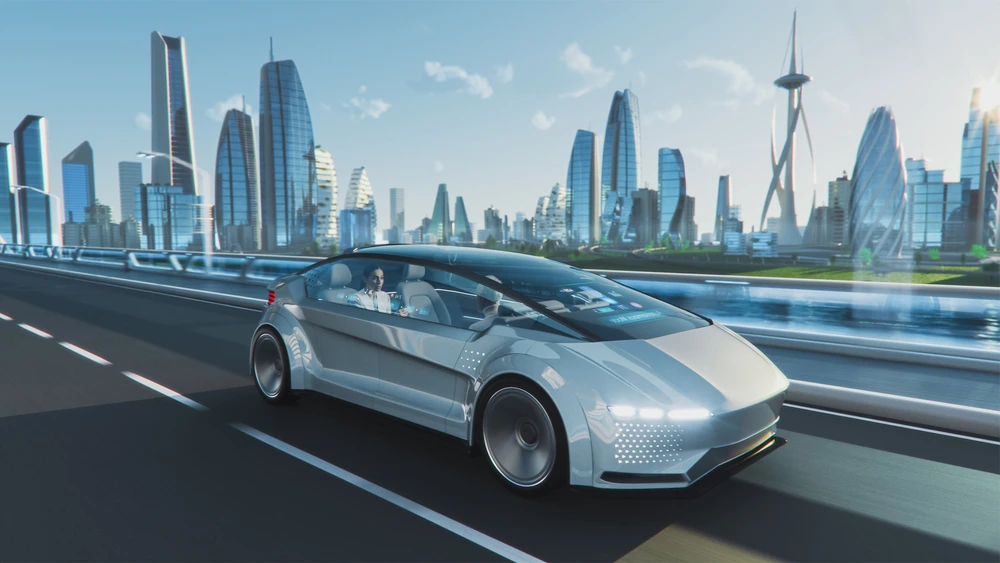
Today, as cities grow and more people flock into towns, there is more than ever before, the need to restructure the engineering of vehicles, adjust to effective mass transport and meet the needs of both individuals and the governments. This has therefore seen the introduction of lightweight, fuel-efficient cars, automation and self-driving cars, connectivity, artificial intelligence, electric vehicles, mass customization and movement toward manufacturing a more autonomous and sustainable future.
While Smithmo Credit Limited largely anchors its business model in SDG No. 1: “No Poverty”, we also support the realization of the other 16 SDG’s with special; emphasis on SGD 2: “Zero Hunger”, SDG 3: “Good Health & Well-being”, SDG 7: “Affordable & Clean Energy”, SDG 8: “Decent Work & Economic Growth”, SDG 10: “Reduced Inequalities”, SDG 11: “Sustainable Cities & Communities”, SDG 13: “Climate Action”, SDG 14: “Life Below Water”, SDG 15: “Life on Land”, and SDG 17: “Partnerships to achieve the Goals”.
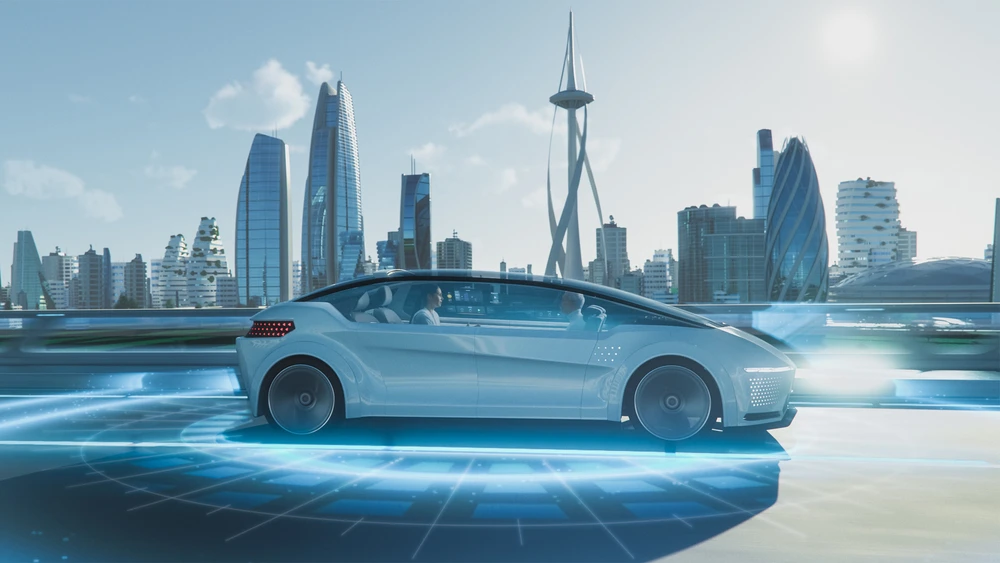
In a bid to preserve the environment, the whole world is moving towards Electric Vehicles (EV’s). In 2022, the worldwide emergence of fuel cell electric vehicles took place. More and more people have since then embraced fuel cell electric vehicles because they recharge faster, have up to 5 times the range of other types of electric vehicles, and only emit water out of their tailpipes. Technologies such as artificial intelligence, big data, 5G, and the internet are revolutionizing the driving experience, optimizing our roads, and bringing safety, comfort, and lower fuel emissions, while at the same time, getting us closer to the concept of smart cities that the SDGs advocate for.
As we peer into the motoring future, here are four of the most groundbreaking technologies we can look forward to in the automotive industry as it responds to the UN Sustainable Development Goals (SDGs):-
- More Fuel-Efficiency.
- Predictive Vehicle Technology.
- Self-Driving Technology.
- Cars-as-a-Service (CaaS)
Therefore, cars for the future will use technology as the biggest driver behind new car models. Major trends show that cars of the future will be electric, autonomous, connected, and sleek. In just a few years’ time, vehicles on the road could look nothing like they do today; it will be a complete design shift. All we need to do to experience this phenomenon is “live long enough!”
Article by Evans Peter | Writer and Technology Enthusiast | eoriwo2012@gmail.com

